
Smile Design in El Monte, CA — A Smile Planned Around Your Features
If several details of your smile feel out of balance, Dr. Deisy Mon Morales offers personalized smile design that coordinates tooth shape, color, spacing, and proportions into one clear plan—so your results look natural and feel like your own.
Personalized Smile Design
Your smile should feel natural, comfortable, and unmistakably yours. Smile design is a personalized approach to cosmetic dentistry that considers more than the color of your teeth. It looks at tooth shape, spacing, proportions, gum display, bite, and the way your smile fits your facial features. The purpose is to create a coordinated plan based on what you would like to improve while protecting your oral health.
United Dental Office offers smile design consultations at 11912 Valley Blvd Ste A, El Monte, CA 91732, along the historic Valley Boulevard corridor near Peck Road and the I-10. The office serves patients from El Monte and neighboring San Gabriel Valley communities, including South El Monte, Rosemead, Temple City, Baldwin Park, and West Covina.
What Is Smile Design?
Smile design is the planning process used to evaluate several cosmetic or restorative concerns as parts of one complete smile. Instead of choosing an isolated procedure first, the dentist studies how the visible teeth, gums, lips, and bite work together. This broader view helps determine which changes may create a balanced result and which areas should remain untouched.
Some patients want one subtle refinement, such as improving a chipped edge or uneven shade. Others are interested in changing several features across the teeth that show when they smile. Because every starting point is different, smile design may involve a single treatment or a carefully sequenced combination of services.
Smile Concerns That Can Be Evaluated
A smile design consultation gives you an opportunity to explain what you notice and what you hope to change. The dentist can assess concerns such as:
- Teeth that appear stained, dark, or uneven in color
- Chips, cracks, worn edges, or older dental work that stands out
- Small spaces or crowded-looking teeth
- Teeth that appear too short, narrow, large, or irregularly shaped
- Uneven tooth lengths or an asymmetrical smile line
- Excessive, uneven, or receding gum display
- Missing teeth or visible gaps caused by tooth loss
- Cosmetic concerns that also affect comfort, chewing, or the bite
An examination is important because the most noticeable issue is not always the only factor affecting the smile. Tooth decay, gum inflammation, infection, grinding, or bite problems may need to be addressed before elective cosmetic care begins.
A Smile Plan Built Around Your Features
There is no universal formula for an attractive smile. Very bright teeth, identical shapes, or perfectly even edges may not suit every person. Effective smile planning considers your natural coloring, face shape, lip movement, existing teeth, and personal preferences. It should also account for how the teeth meet when you bite and how proposed changes may function during speaking and chewing.
You can discuss whether you prefer a subtle refresh or a more noticeable transformation. Shade, contours, tooth proportions, and symmetry can be reviewed together so that each recommended change supports the overall design. The goal is a smile that looks cohesive—not a collection of unrelated dental procedures.
What Happens During a Smile Design Consultation?
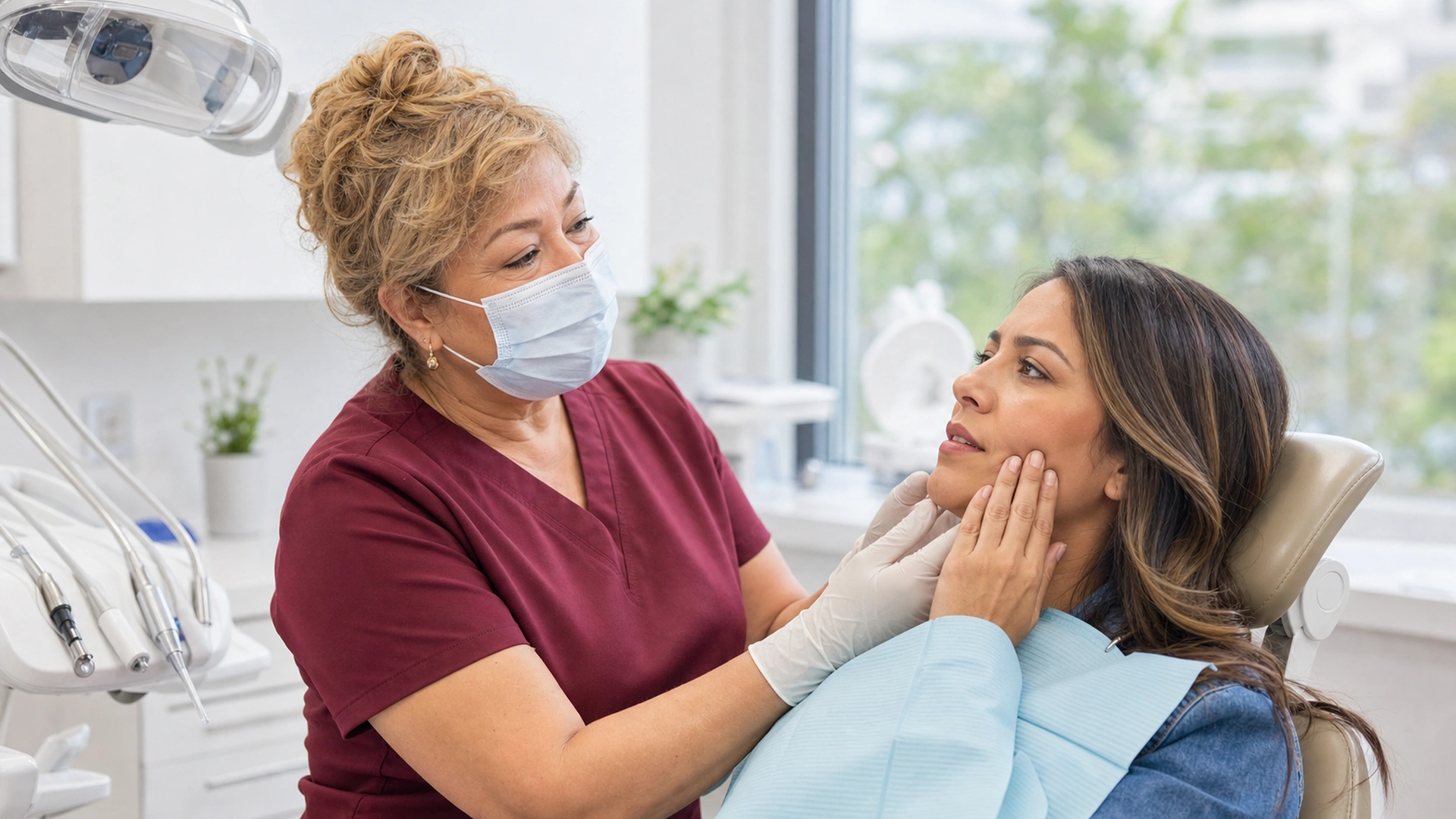
The process begins with a conversation about your priorities. You may be asked which teeth concern you, what you like about your current smile, and how much change feels appropriate. The dentist will then examine your teeth, gums, existing restorations, and bite to identify both cosmetic opportunities and oral health needs.
Photographs, X-rays, impressions, models, or digital scans may be recommended depending on the case. These records can help evaluate tooth position, shape, shade, spacing, and the relationship between your smile and facial features. Before treatment begins, the proposed sequence, likely limitations, alternatives, maintenance needs, and expected number of visits should be explained so you can make an informed decision.
Treatments That May Be Included in Smile Design
Your plan may draw from cosmetic, restorative, periodontal, or orthodontic care. Recommendations depend on your examination and may include:
- Professional teeth whitening to brighten suitable natural teeth
- Tooth-colored bonding to reshape selected areas or repair minor chips
- Porcelain or composite veneers to change the visible surface of certain teeth
- Crowns to restore teeth that need broader coverage or structural support
- Clear aligners or other orthodontic treatment to improve tooth position and the bite
- Dental implants, bridges, or other restorations to replace missing teeth
- Gum treatment or contouring when gum health or the visible gumline affects the plan
Not every option is appropriate for every patient, and more treatment does not automatically mean a better result. In some cases, a conservative change can accomplish the desired improvement. In others, treating oral disease or stabilizing the bite must come first.
Coordinating Treatment for a Consistent Result
When more than one service is recommended, timing matters. For example, tooth whitening may need to occur before the final shade of bonding, veneers, or crowns is selected because restorative materials do not whiten in the same way as natural enamel. Orthodontic movement may also be considered before restorations so tooth position can be improved with less alteration to healthy structure.
The order and length of care vary according to your needs. Some smile plans may be completed over a small number of appointments, while complex cases can require several stages. A coordinated plan helps you understand how each phase contributes to the final appearance and function of your smile.
Potential Benefits of Personalized Smile Design
Smile design can bring separate concerns into one clear, organized treatment plan. Depending on the services selected, potential benefits may include:
- More balanced tooth shapes, lengths, and proportions
- A brighter or more consistent tooth color
- Improved visual alignment and spacing
- Restored chipped, worn, damaged, or missing teeth
- Dental work designed to blend more naturally with nearby teeth
- Better coordination between appearance, comfort, and bite function
- Greater confidence when smiling, speaking, or appearing in photographs
Results differ from person to person. Materials, oral health, bite forces, habits, and home care can all influence the appearance and longevity of treatment. Your dentist can explain what is realistically achievable in your individual case.
Who May Be a Candidate for Smile Design?
Smile design may be worth exploring if you have several concerns, feel uncertain about which cosmetic treatment to choose, or want a comprehensive plan before making changes. It can also help when an upcoming life event motivates you to improve your smile, provided there is enough time to evaluate your health and complete care without rushing important decisions.
Good candidates are generally prepared to maintain daily oral hygiene, attend recommended dental visits, and discuss expectations openly. Active decay, gum disease, infection, or uncontrolled grinding may affect the timing or selection of treatment. A consultation is the appropriate way to determine whether cosmetic care can begin now or whether another dental need should be managed first.
Maintaining Your Newly Designed Smile
Cosmetic and restorative dental work still requires consistent care. Brush twice daily with fluoride toothpaste, clean between your teeth each day, and keep up with recommended examinations and professional cleanings. Avoid using your teeth to open packages or bite hard objects, and ask about protective options if you clench, grind, or participate in activities that could injure your mouth.
Whitening results can fade, restorations can wear, and natural teeth may continue to change over time. Contact the dental office if you notice pain, sensitivity, a rough or loose restoration, bleeding gums, or a change in your bite. Periodic evaluations allow your dentist to monitor both the appearance of your smile and the health beneath it.
Request a Smile Design Consultation Near Valley Boulevard
United Dental Office is located at 11912 Valley Blvd Ste A in El Monte, along the Valley Boulevard corridor near Peck Road, the local lion landmark, the I-10, and regional connections to the I-605. This San Gabriel Valley location is accessible for patients coming from South El Monte, Rosemead, Temple City, Baldwin Park, West Covina, and surrounding communities.
If you are considering a small cosmetic refinement or a coordinated smile transformation, contact United Dental Office to request a smile design consultation. A personalized evaluation can help you compare appropriate options and develop a plan that respects your health, your features, and the way you want your smile to look.