
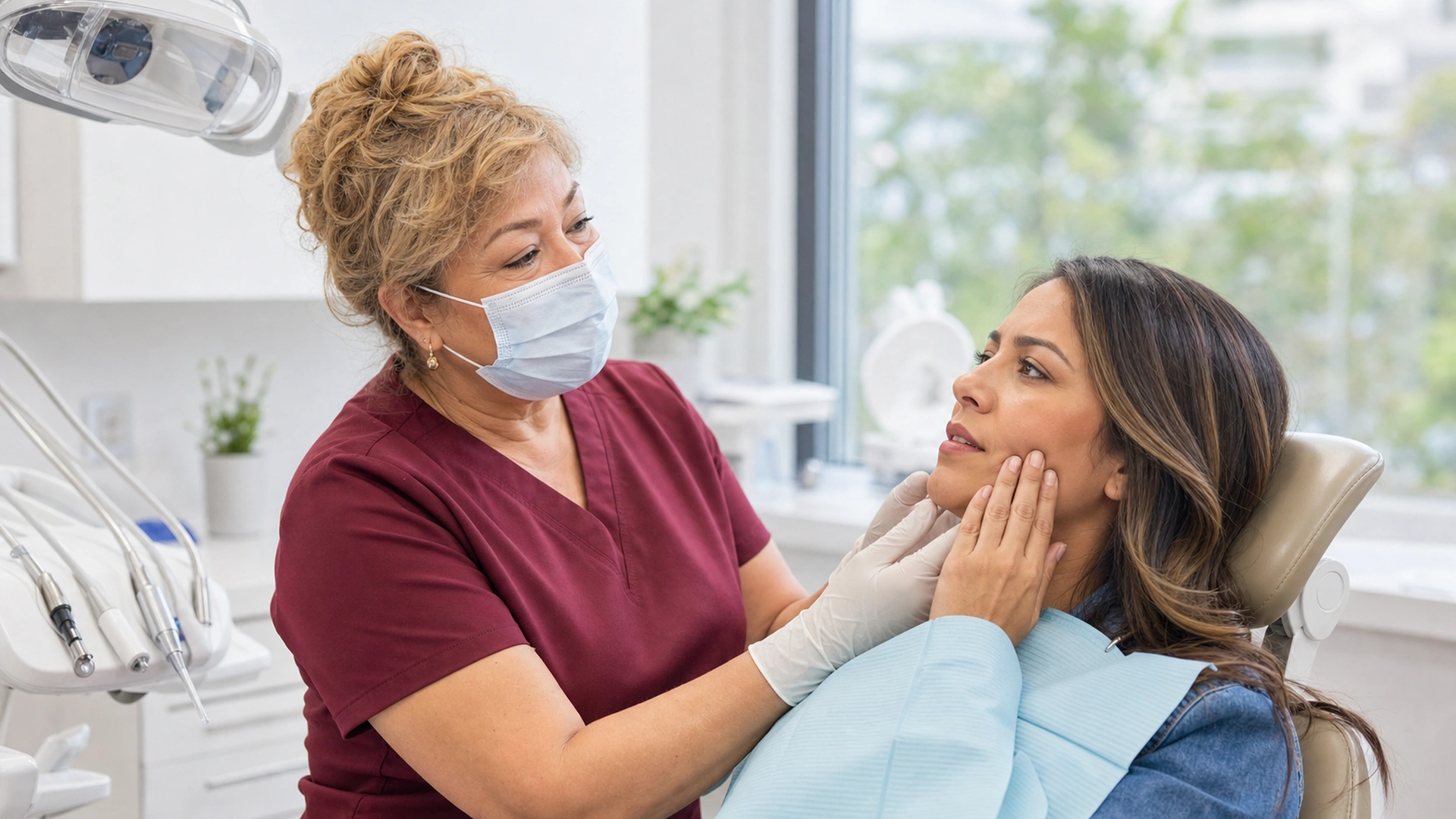
Dental Fillings in El Monte, CA — Repair Tooth Decay Before It Causes More Damage
A cavity may begin without pain, but it can continue to weaken a tooth when left untreated. Dr. Deisy Mon Morales evaluates each tooth carefully and recommends treatment that fits the actual condition of your smile.
Repair Tooth Decay Before It Causes More Damage
A cavity may begin without pain, but it can continue to weaken a tooth when it is left untreated. A dental filling replaces the portion of a tooth damaged by decay, helps restore normal shape and function, and creates a barrier over the prepared area.
At United Dental Office, we evaluate each tooth carefully before recommending treatment. The appropriate approach depends on how much tooth structure is affected, where the cavity is located, whether the tooth has an existing restoration, and what the examination shows. Addressing decay while it is still limited may allow for a more conservative restoration than waiting until the damage reaches deeper layers of the tooth.
What Is a Dental Filling?
A dental filling is a restoration placed after decayed tooth tissue has been removed. The prepared space is rebuilt with a filling material so the tooth can better withstand everyday biting and chewing.
Depending on the tooth and the extent of the damage, treatment generally includes:
- Examining the tooth and confirming the affected area
- Numbing the treatment site when appropriate
- Removing the damaged or decayed tissue
- Cleaning and preparing the remaining tooth structure
- Placing the selected restorative material
- Shaping, finishing, and checking the patient's bite
A filling treats the existing cavity, but it does not make the tooth immune to future decay. Daily brushing with fluoride toothpaste, cleaning between the teeth, balanced eating habits, and routine dental visits remain important after treatment.
Symptoms That May Point to a Cavity
Early tooth decay often produces no noticeable symptoms. That is one reason routine dental examinations can be valuable. As a cavity advances, a person may notice:
- Sensitivity to cold, heat, or sweet foods and drinks
- Discomfort when biting or chewing
- A visible pit, opening, or darkened area
- Food repeatedly collecting around the same tooth
- A rough edge that catches the tongue or floss
- A filling that feels loose, chipped, or different
- A toothache that lingers or becomes more frequent
These changes can have several causes, so symptoms alone cannot confirm that a filling is needed. A dental evaluation can determine whether the problem is decay, a worn restoration, a crack, gum recession, or another condition.
Pain accompanied by facial swelling, fever, difficulty swallowing, or trouble breathing should not be ignored. Seek prompt professional guidance because these signs may indicate a more serious infection or another urgent condition.
How We Determine Whether a Filling Is Appropriate
Not every area of early mineral loss requires a filling, and not every damaged tooth can be predictably repaired with one. We begin by reviewing the concern, examining the tooth, and using diagnostic images when clinically appropriate. We also consider the condition of nearby teeth and the way the upper and lower teeth come together.
Very early enamel changes may sometimes be managed with preventive care and monitoring. Once a true opening has formed in the tooth, a restoration is commonly needed. If decay is extensive, the tooth is fractured, or the inner tissue is involved, another type of care may be recommended instead. The purpose of the evaluation is to select a treatment that fits the actual condition of the tooth rather than applying the same solution to every cavity.
What Happens During a Dental Filling Appointment?
The exact sequence can vary, but a filling appointment usually follows a straightforward process.
First, we confirm the tooth and review the planned restoration. The area may then be numbed to help keep the procedure comfortable. After the damaged tissue is removed, the remaining tooth is prepared for the selected material. The restoration is placed and shaped to reproduce the contours needed for biting, chewing, and cleaning around the tooth.
Before the visit ends, we check how the filling contacts the opposing teeth. Small adjustments may be made so the bite feels balanced. Many direct fillings can be completed in one appointment, although the time required depends on the number of teeth involved, the location of the decay, and the complexity of the restoration.
Selecting a Filling Material
Different restorative materials have different advantages. Tooth-colored composite resin can provide a natural appearance and is commonly considered for front or back teeth. Other materials may be appropriate in certain clinical situations.
Material selection should be individualized. Factors may include:
- The size and position of the cavity
- The amount of pressure the tooth receives
- The condition of the remaining tooth structure
- Moisture control during placement
- Appearance preferences
- Expected durability and future maintenance
- Relevant health considerations
- Insurance benefits and out-of-pocket cost
We can explain the options that apply to the tooth being treated so the patient can make an informed decision. No filling lasts forever, and its service life can vary with the material, cavity size, oral hygiene, diet, grinding or clenching habits, and regular wear.
Aftercare and Sensitivity Following a Filling
The mouth may remain numb for a period after treatment. Until normal feeling returns, take care not to bite the cheek, lip, or tongue. Follow any eating instructions provided for the material used during the appointment.
Temporary sensitivity to pressure, temperature, or sweets can occur after a restoration. It should generally improve rather than intensify. Contact the office if the bite feels uneven, discomfort is worsening, sensitivity persists, or the filling feels loose or damaged. An early adjustment or evaluation may help identify the cause.
Continue brushing twice a day with fluoride toothpaste and cleaning between the teeth. A restored tooth can develop new decay along the edge of a filling, so keeping that area clean and attending recommended examinations are important parts of protecting the result.
Why Timely Cavity Treatment Matters
Once tooth structure has broken down and a cavity has formed, it does not grow back on its own. Delay can allow decay to move farther into the tooth, potentially leading to increasing sensitivity, pain, infection, or the need for more involved care.
Treating a suitable cavity with a filling may help:
- Remove damaged tissue before the decay progresses further
- Preserve healthy tooth structure that remains
- Restore a smoother surface that is easier to clean
- Improve comfort during biting and chewing
- Reduce the chance that the affected area will continue to enlarge
The best time to evaluate a suspicious tooth is before discomfort becomes severe. Regular exams can also reveal decay that is difficult to see or feel at home.
A Clear and Supportive Approach to Restorative Care
Dental concerns can feel stressful, especially for someone who has postponed care or had an uncomfortable experience in the past. Our goal is to make the next step understandable. We explain what we observe, why a filling may or may not be appropriate, and what alternatives should be considered.
There is no benefit in judging how a cavity developed or how long it has been present. The focus is on the tooth's current condition and a practical plan for moving forward. Patients are encouraged to ask about the procedure, numbing, materials, aftercare, or any part of the recommended treatment before making a decision.
Dental Fillings in El Monte Near Valley Boulevard, Mountain View Road, and Neighboring San Gabriel Valley Cities
United Dental Office provides evaluations for cavities and restorative dental fillings at 11912 Valley Blvd Ste A, El Monte, CA 91732. The office is in the Plaza Del Valle corridor near Mountain View Road and Garvey Avenue, with access from the I-10 and I-605 corridors for people coming from South El Monte, Rosemead, Baldwin Park, Temple City, and West Covina.
For families in El Monte and nearby South El Monte, Rosemead, Baldwin Park, Temple City, and West Covina who are familiar with the Valley Boulevard and Mountain View Road corridor, United Dental Office offers a convenient setting for having a sensitive tooth, suspected cavity, or older filling examined. If you have noticed discomfort, a rough spot, food trapping, or a change in an existing restoration, contact United Dental Office to arrange an evaluation and learn whether a dental filling or another treatment is appropriate.